
What to Pack on Pilgrimage to Italy: 7 Summer/Fall Travel Essentials


I traveled to Italy this past July and August. This was my first international group pilgrimage, and I went with over 30 other folks from my archdiocese. We spent most of the time in Rome, but also took day trips to Assisi and Nettuno. It was a phenomenal experience.
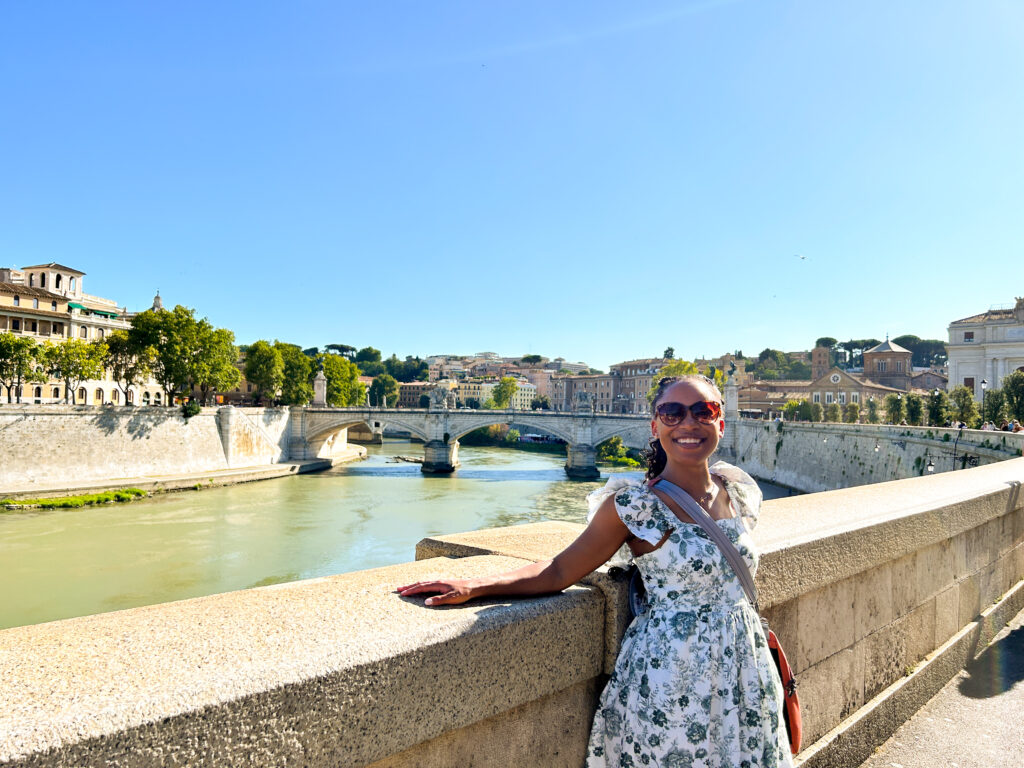
We visited sacred churches, walking through Holy Doors that are opened only once every 25 years. We received an apostolic blessing from Pope Leo XIV in person during his weekly Wednesday papal audience – he rode around in the pope mobile to cheering crowds, kissed babies, and was presented with unique gifts (including a Philly Eagles hat and a pizza from Chicago). Later during that same day, he greeted and taught each of us in our own language. We visited the tombs of many saints and blesseds, including St. Francis and St. Clare of Assisi, Blessed (now St.) Pier Giorgio Frassati, Blessed (now St.) Carlo Acutis, St. Catherine of Siena, and St. Monica. We saw the remains of a pillar where Jesus was scourged at the Basilica of Santa Prassede. We slept under the stars at Tor Vergata, participating in adoration with Pope Leo that night and then attending mass the very next morning with the pope presiding.

FAQs
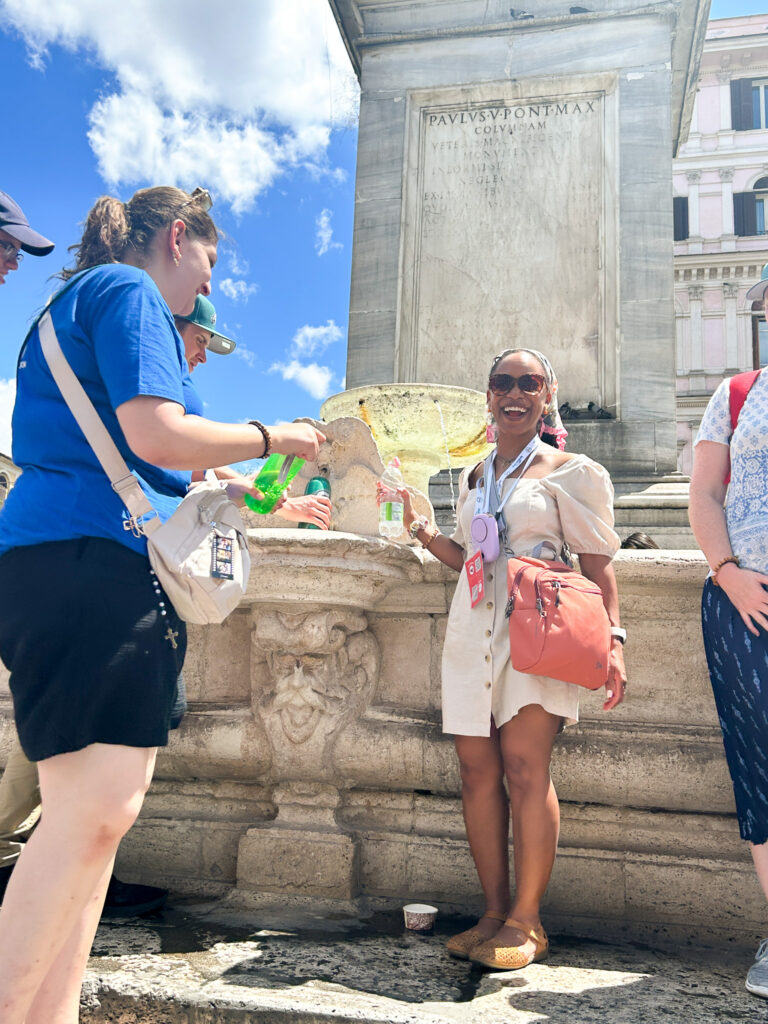
We also ate indescribably delicious pasta, drank fresh spring water from ancient Roman fountains, and had gelato almost every single day.
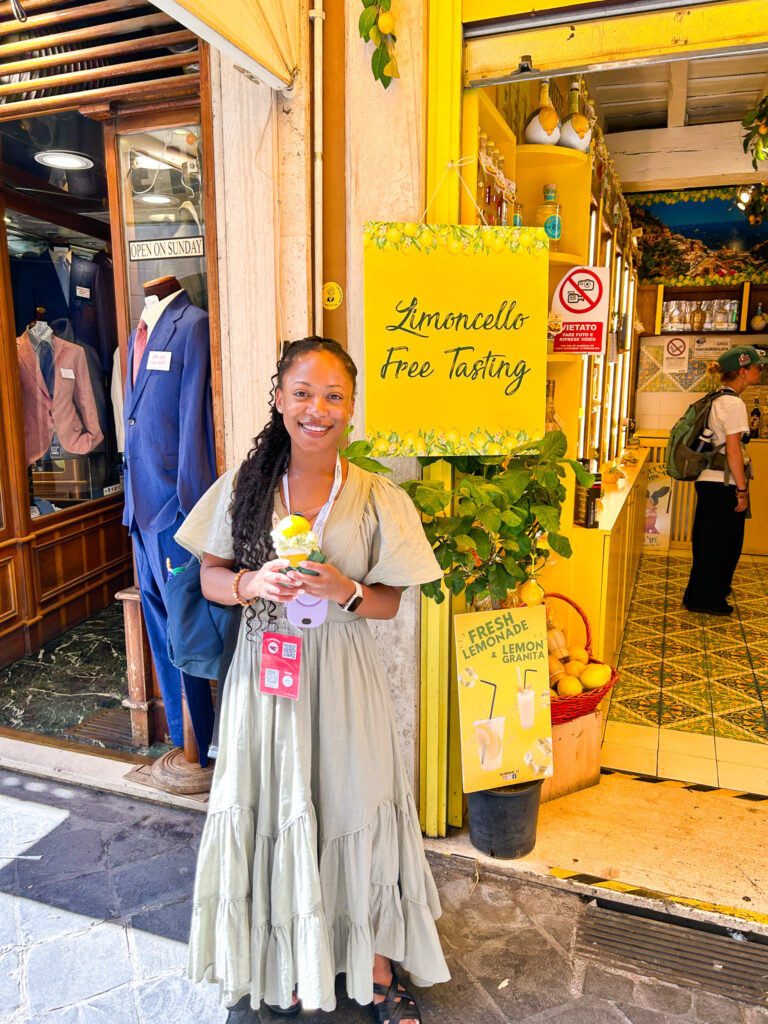
In short, it was a faith-filled, spiritually enriching, once-in-a-lifetime experience.

But with all of those highs, there were also some lows. It rained while we slumbered outside in our sleeping bags at Tor Vergata, and the “restrooms” were port-a-potties. The churches we visited were oppressively hot and humid. None of them had air conditioning (likely to conserve the centuries-old artwork), and some didn’t even have fans. The days were long, with one day starting at 4 am and ending after midnight the next day. We stood in line under the blazing hot sun for over 2 hours to get into Holy Doors and walked over 20,000 steps most days. And pickpockets were everywhere.
I was not prepared for how crowded all the sites we visited would be. I had been to Rome twice before, but this time around the city was positively booming. On top of the usual number of summer tourists, there were over a million pilgrims in the city for the Catholic Jubilee of Youth. We were blessed to have cooler than normal temperatures as it was in the mid-80s while we were there; normally it’s in the 90s in Rome around June and July. However, since we were walking around outside during cloudless sunny days, and most buildings did not have AC, it felt boiling. Rome has 80-degree weather well into September.
If you are thinking about visiting Rome this year for the Jubilee, or you’re considering going to another country on a pilgrimage, below I share the essential summer must-haves that were life-savers for me during my trip. I hope they’re helpful to you as well should you decide to go on pilgrimage in the summer months or early fall.
This post has affiliate links. If you make a purchase, I may earn a small commission at no additional cost to you. Thank you for supporting my blog! Click here to read my full disclosure policy.
7 Essentials for Your Next Pilgrimage

01
Blister pads
The world is your oyster when you’re a pedestrian in Rome – sidewalks are everywhere, and the metro is very easy to navigate. We walked around 20,000 steps a day, every day, while we were there. The backs of my ankles were scraped raw by day two. I only brought one pair of sandals (pictured here), and the sandal strap constantly rubbed over the same inflamed spot with each step. I didn’t bring blister pads and borrowed them from friends on the trip to soothe my aching ankles. Let me tell you – they were lifesavers! Wearing my sneakers and buying a more comfortable pair of sandals also helped. Bring blister pads! Your feet will thank you. If you have a Flexible Spending Account (FSA), you may be able to purchase it with your FSA card.


02
Baby wipes (or tissues)
Baby wipes are another thing that I didn’t bring but actually borrowed. A friend bought a multipack of wipes on Amazon and was generous enough to share them out with other pilgrims on the trip. They are great for wiping your hands (and face lol) after eating street pasta or gelato. And you can use them to do a quick touch-up on make-up that has melted off in the sun. I’ve linked the same brand that my friend shared with us all.
Real talk, once you get to Rome, you will be using the bathroom in restaurants, gas stations, random portapotties on the side of the road, and travel buses. Not every restroom will have toilet paper. Baby wipes will be your saving grace! Just be sure to throw these in the trash, as these aren’t flushable.
If you’re not a fan of baby wipes, then I definitely suggest bringing tissues. You (or someone traveling with you) will need it. Pilgrimages can be emotional. There will be tears. Be prepared. You can also use tissues as toilet paper in a pinch.
 Tor Vergata camping ground
 Meals at Tor Vergata Camping Ground
 Eating dinner at Tor Vergata Camping Ground
03
Soap petals
Continuing with the bathroom theme…these are great for the inevitable moment when you use a bathroom and realize there’s no soap. (And it’ll happen more frequently than you think.) Soap petals also were a godsend for the one night we camped overnight at Tor Vergatta for the outdoor papal mass. There were portapotty bathrooms, and there was an area with outdoor sinks (but no soap).

Grab your packing list
Enter your email below to have a more comprehensive pilgrimage packing checklist – including these top 7 items – sent straight to your inbox!

04
Sacramentals and a Bible
If praying the rosary daily is a part of your prayer life, definitely remember to bring it. If you own a delicate rosary, you may want to consider bringing a durable rosary that won’t easily break on the trip. I got mine from Rugged Rosaries. I also wore my scapular and Miraculous Medal every day. A Bible is great when you have downtime and want to spend it quietly reading the Word. I brought this pocket bible with me.


05
A daily mass booklet like Magnificat or The Word Among Us
We went to daily mass and got to receive the Eucharist every day on our pilgrimage. We were blessed to have an archbishop, a bishop, and two priests in our travel group, and they celebrated the mass in English in various beautiful churches in Rome. Each of us pilgrims pitched in as lectors, cantors, and choir members. Having the Magnificat was a lifesaver, so we had the readings and psalms of the day at hand in English. On the days that mass was in Italian or Latin (as when the Pope led the mass at Tor Vergata), it was so helpful to have our Magnificat to follow along in English. Alternately, you can always use your phone to access the United States Conference of Catholic Bishops (USCCB) website to get the readings of the day. Just remember that your wifi and data may be spotty and incur extra charges while abroad.

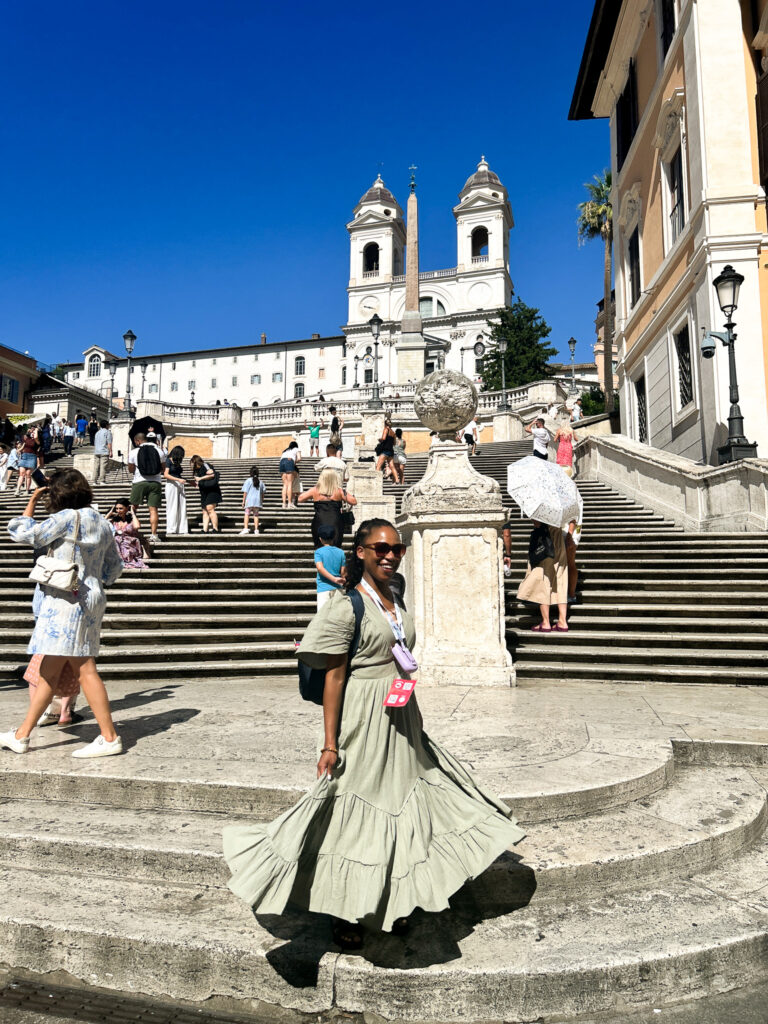
06
A bag with security features
Pickpockets are ruthless in Rome — they’d probably steal from the Pope himself if they were able to get close enough. It doesn’t matter if you’re an 86-year-old granny on Medicaid, a toddler with no money to speak of, a recent college grad who saved up for a decade to go on pilgrimage, or a 35-year-old priest who took a vow of poverty. Pickpockets will come for you. Bring a safety bag and actually lock the compartments. I brought a TravelOn backpack, TravelOn crossbody bag, and a PacSafe purse. You do not have to buy all three bags. I’m extra, and I like options. I alternated wearing them. Whether or not you get a bag with security features, I do recommend bringing a money belt or secret bra pouch. I wore both when we camped overnight at Tor Vergata and slept with them on.
Bonus packing tip
Remember to pack a chapel veil or headscarf for churches and basilicas. Most churches will have a dress code, and many require that your hair, knees, and shoulders be covered. Since summers in Rome are hot, you’ll likely be wearing shorts and summery mini dresses around Rome; packing a sarong or wrap skirt in your everyday purse can allow you to transform the modesty level of your outfit. A friend wore this wrap skirt, and it was so pretty in person!


I sewed the chapel veil that I brought with me to Rome (and even made the matching pouch).
07
Mini portable fan
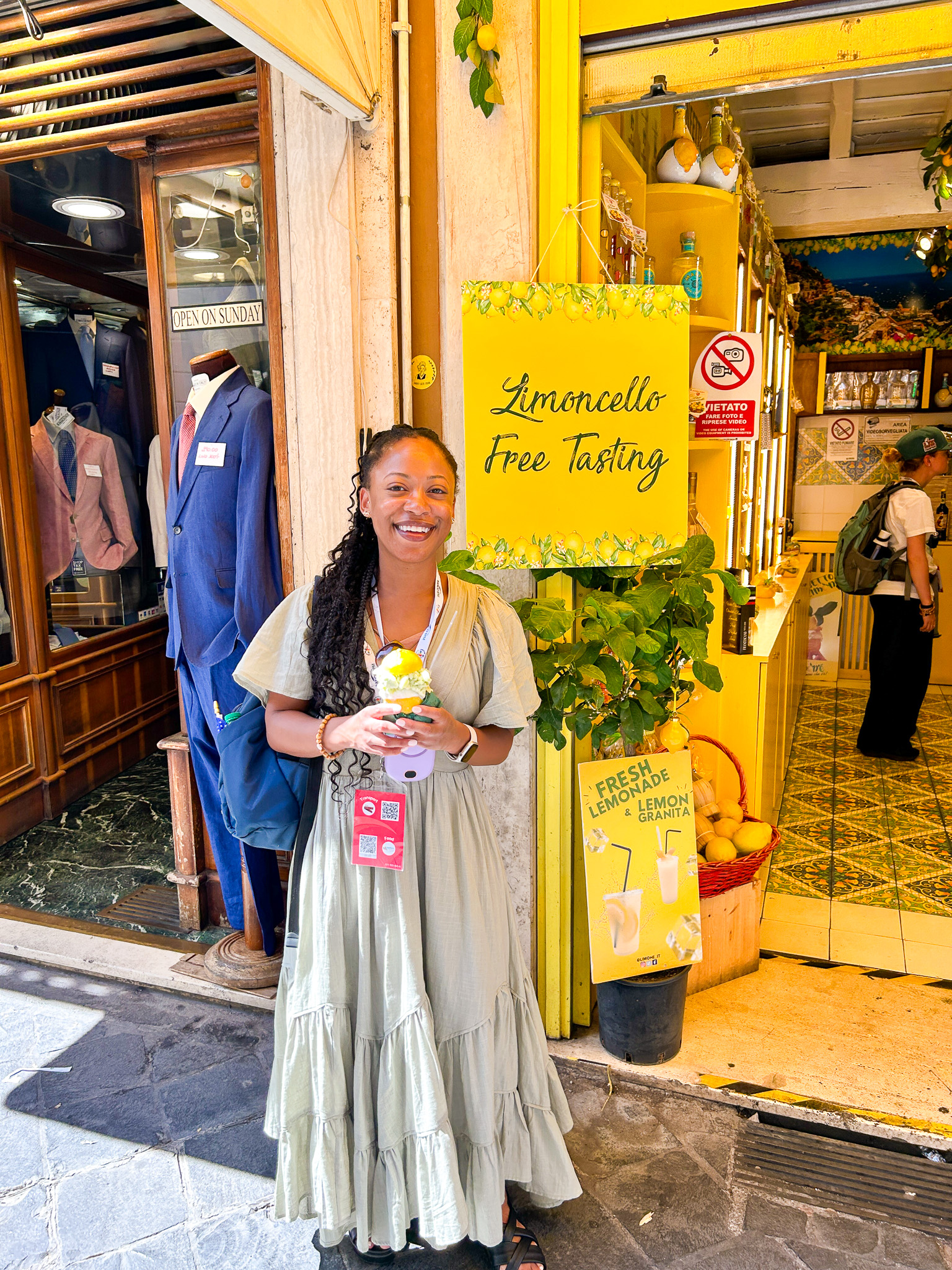
As I mentioned above, there is no AC in churches in Rome. Occasionally, there may be standing fans, but unless you’re sitting right in front of one, you will likely still feel overheated. In hotels and restaurants that do have AC, it’s not set to the Arctic chill subzero temperature that Americans are used to. It’s usually a very temperate, almost balmy setting. Also, iced drinks aren’t common in Rome (or Europe in general), even in the summer. So, a tiny portable fan is an essential item to pack in your suitcase to stay cool. Look for one that you can wear around your neck, with a long-lasting rechargeable battery. I really liked this lavender one I’m wearing in the photo – you can actually spot it around my neck in most photos on my trip (lol). It comes in a bunch of different colors.
There are so many other things that didn’t make this top 7 list that you may find helpful for your pilgrimage – whether it’s in the summer or a different time of the year. To download a more thorough packing list, click here. Everyone’s trip is different, so you may need to check in with your pilgrimage group leader to see if there’s anything else you should pack.
want all this in a one-page printable?
Click below and grab your free pilgrimage packing list!
Also, remember: you don’t need to buy everything I wrote about above to have a wonderful pilgrimage. What’s most important is a joyful, open spirit.
Have a wonderful, blessed pilgrimage!

